Content Marketing for Martial Arts Schools in 2026
TikTok, YouTube Shorts, and Instagram Reels now drive local discovery for dojos. Learn the 1:1 content ratio, why AI blogs hurt SEO, and platform strategies that convert.
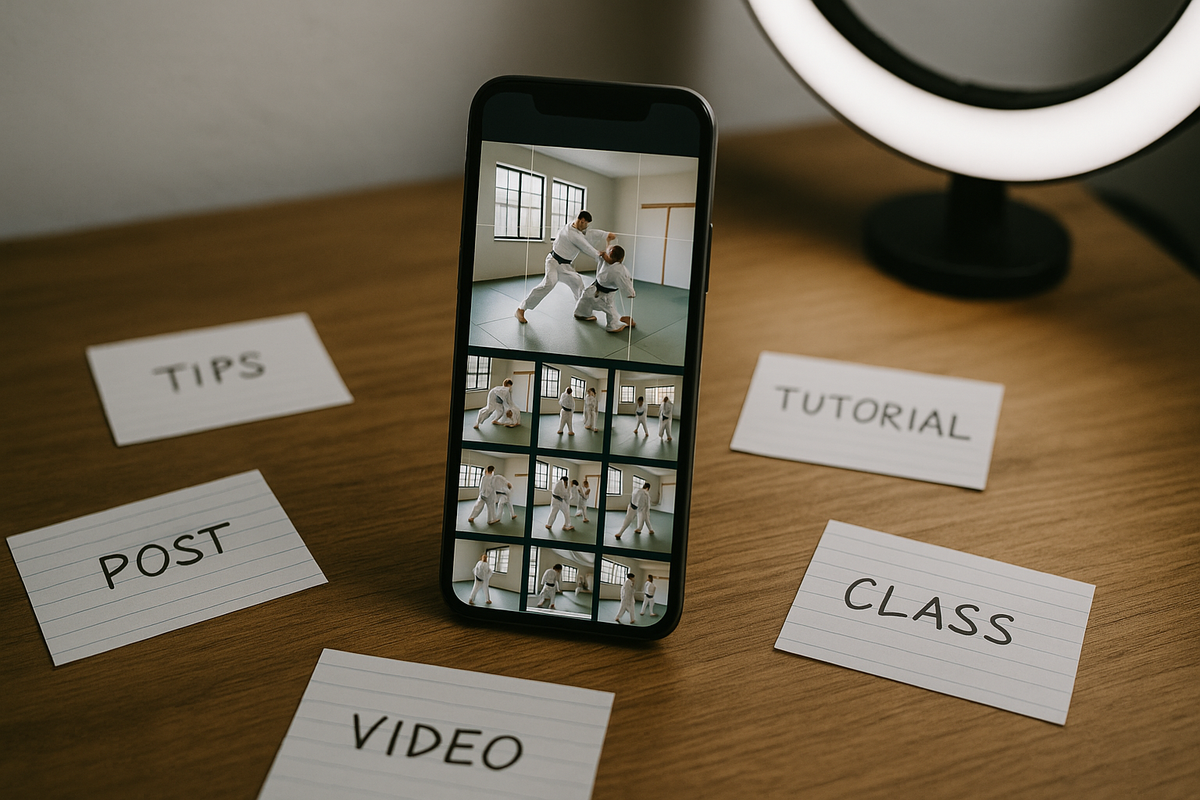
Key Takeaways
- Short-form video drives local discovery: TikTok and YouTube Shorts are the highest-reach platforms for martial arts schools in 2026, with TikTok's geo-aware algorithm serving content to nearby prospects even with zero followers, while Instagram Reels see 22% more engagement than static posts.
- Consistency beats production quality: Three to five short videos per week showing real classes, real instructors, and real students outperform polished promotional videos posted monthly, with phone videos performing just as well when content is helpful.
- The 1:1 beginner-to-advanced ratio matters: For every post showcasing advanced students, publish one showing how normal it is to be brand new—this ratio does more for walk-in numbers than posting frequency alone.
- AI-generated blog content now hurts SEO: Google's EEAT requirements favor real authors with expertise; schools should publish one weekly article about customer problems using location and program-type keywords rather than relying on AI writing tools.
- Google Business Profile drives qualified leads: An active, optimized Google Business Profile gets 7x more clicks than incomplete profiles, with reviews serving as the #1 ranking factor for Google Map Pack placement that most parents search first.
- The 80/20 rule applies to content mix: 80% of content should provide value to the audience (technique tips, student spotlights, training insights), while only 20% should directly promote programs, supporting trial bookings and student retention.
Why Platform Strategy Changed in 2026
The 72,029 martial arts studios operating in the United States as of 2026 face a decisive shift in how families discover local schools. TikTok, Instagram Reels, and YouTube Shorts are no longer optional channels. They are now among the primary ways prospects find martial arts instruction.
TikTok and YouTube Shorts are the two highest-reach platforms in 2026 for local service businesses, yet most martial arts schools still aren't posting there. TikTok's algorithm is geo-aware, meaning a short video filmed on your mats will be served to people within driving distance of your school even if you have zero followers. Instagram Reels see 22% more engagement than static posts, while YouTube Shorts feed into long-form YouTube and rank in Google Search, so a 45-second technique clip titled with your city and martial arts style can pull local search traffic for months.
The schools winning on short video are not the ones with the best equipment. They are the ones posting consistently. Three to five short videos per week showing real classes, real instructors, and real students will outperform a polished promotional video posted once a month.
Content Categories That Convert to Trial Bookings
Research across martial arts marketing platforms identifies specific content pillars that drive measurable results. Training tips, student spotlights, behind-the-scenes, and motivational posts typically perform best.
Short technique breakdowns are among the highest-performing content for martial arts accounts. A 30-second Instagram Reel or TikTok showing a proper roundhouse kick, a jiu-jitsu sweep, or a self-defense escape provides genuine value, showcases instructor expertise, and gives followers a taste of what they would learn as students.
Belt promotion celebrations are powerful community content. Capturing the moment a student receives their new belt and sharing their training journey in the caption consistently generates high engagement because it celebrates real achievement and emotional milestones.
The Beginner-to-Advanced Content Ratio
For every post showing how good your students are, make one showing how normal it is to be brand new, holding that ratio at roughly 1:1. This strategy does more for walk-in numbers than any change to posting frequency.
Sharing instructor insights through short blog posts, social media Q&As, or video clips builds a personal connection with potential students. When prospects feel like they already know the instructors, they are much more likely to sign up for a trial class.
Why AI-Generated Blog Content Now Hurts Your SEO
Avoid using AI to create articles, and if website companies push you to use their new AI feature, they don't understand SEO ranking. Google's EEAT (Experience, Expertise, Authoritativeness, Trustworthiness) requirements now favor schools that publish content written by real authors with documented expertise.
Write one weekly article about a problem and pain your customer goes through, using your location and martial arts or program type in keywords. This approach aligns with how local search intent signals have evolved over the past twelve months.
Google now favors schools that publish consistent, high-quality content, which is why some partner schools publish 3–5 blogs per week. However, consistency matters more than frequency. Start with two to three social media posts weekly and one blog article monthly, then adjust based on your capacity and audience engagement.
Video as the Trust-Building Foundation
Video is the single most powerful tool you have to build trust with new students, as the closest thing to sitting in a room with someone having a conversation with them. In a world of digital noise, video cuts through like nothing else.
A short video can explain what to expect in a trial class, how to tie a belt, or the rules of sparring far better than a long paragraph of text. Phone videos with good lighting and clear sound perform just as well when the content is helpful.
Strategic Content Planning That Supports Business Goals
A martial arts social media strategy should be a repeatable system that supports leads, improves trial show-ups, and reinforces retention. Clarity comes from defining who each post is for and tying content to the next action you want, like booking a trial or staying consistent.
Content pillars make consistency easier when you rotate categories like progress, training education, culture, programs, and behind-the-scenes. This framework prevents creative burnout and ensures varied content that serves different prospect and student needs.
The 80/20 rule applies well—80% of your content should provide value to your audience, while only 20% should directly promote your programmes. This mix builds trust before asking for commitment.
Why Google Business Profile Still Matters Most
Own the Google Business Profile and keep it active every week, as most parents start their search on Google. If your school is not in the top three map positions, those families will never see it.
Budget Context for Content Marketing
A solid benchmark is 8% to 12% of gross monthly revenue, so a school generating $20,000 per month should invest between $1,600 and $2,400 on marketing. This allocation should cover content creation tools, platform advertising, and time invested in producing organic content.
What This Means for Studio Operators
Editorial analysis, not reported fact:
The operational challenge is clear: most owner-operators don't have 40 hours per week for content creation, yet the schools gaining market share in 2026 are those executing consistent short-form video strategies. The solution is not to match competitor volume but to build a sustainable system anchored in three to five weekly posts that rotate through proven content pillars.
The 1:1 beginner-to-advanced content ratio addresses a common blind spot. Schools naturally want to showcase their best students, but prospects scrolling TikTok or Instagram need to see themselves in your content. A white belt struggling with a basic movement, celebrated for showing up, converts better than another highlight reel of your competition team.
The shift away from AI-generated blog content requires a mindset change for schools that purchased "automated SEO" packages. Google's algorithm updates in 2026 penalize thin, generic content regardless of keyword optimization. One weekly article written by an instructor about a real student problem will outrank ten AI-generated posts about "benefits of martial arts."
For schools just starting content marketing, the recommended entry point is manageable: two to three social posts weekly, one monthly blog article, and weekly Google Business Profile updates. This baseline keeps you visible while you assess what resonates with your local market. As capacity grows, layer in YouTube Shorts or TikTok, focusing on the platform where your target demographic (typically parents of children aged 5–12 or adults 25–45) already spends time.
Sources & Further Reading
- Dojo Practice: Instagram Reels & TikTok for Student Acquisition in 2026, platform algorithm analysis and US martial arts studio growth data
- Black Belt CRM: Martial Arts School Marketing 2026 Complete Playbook, posting frequency benchmarks and content consistency strategies
- Academy Blast: Martial Arts SEO 2026 Guide, AI content warnings and EEAT requirements for local search
- GymDesk: Martial Arts Marketing Ultimate Guide, content category performance analysis
- GrowthFit Studio: Martial Arts Digital Marketing Guide, Google Business Profile optimization and review strategy
- Dojo Muscle: The Dojo Owner's Playbook for Video Marketing, trust-building fundamentals and production quality research
Editorial coverage of publicly reported industry developments. Dojo Practice has no commercial relationship with any companies named.