Restoring Dojo Ritual: Mindfulness in Martial Arts Classes
US instructors are reintroducing class opening rituals, breathwork, and flow state training, driven by neuroscience validation and measurable retention gains in 2026.
Key Takeaways
- Class opening and closing rituals are returning to US dojos as instructors recognize their role in centering practitioners and improving retention, with traditional 5-minute meditation (mokuso) sessions framing training to mark the transition from daily life into intentional practice.
- Breathwork integration activates the parasympathetic nervous system and promotes flow states, with modern neuroscience validating that controlled nasal breathing decreases amygdala activity while increasing prefrontal cortex engagement for focus and decision-making.
- Flow state priming requires only 3 to 5 minutes of mindfulness meditation during warmups, creating conditions for practitioners to disengage the dorsolateral prefrontal cortex and allow trained movement patterns to emerge without conscious interference.
- Mental health outcomes from martial arts training show significant positive effects on wellbeing, including reductions in anxiety and depression and improvements in self-efficacy, emotional regulation, and stress management, according to recent research.
- Wellness integration as an industry trend appeals to health-conscious students seeking holistic benefits beyond physical fitness, positioning mindfulness practices as retention drivers in 2026.
Why Traditional Class Rituals Are Making a Comeback in US Dojos
After decades of decline, meditation before training is experiencing a resurgence in US martial arts schools as instructors rediscover what many traditional systems have always known: the mental conditioning framework matters as much as the curriculum. In 2026, this shift is driven by three converging forces: practitioners explicitly seeking holistic wellness benefits, neuroscience research validating the performance impact of breathwork and flow states, and school owners observing measurable retention and satisfaction gains when they reintroduce intentional mindfulness programming.
The opening ceremony to a traditional karate class is based on courtesy and respect, with parallel rituals closing each session. These moments are not empty formality. As one instructor perspective notes, bowing to sensei as class begins serves as a physical reminder of the transition from the rest of our life into our time in the dojo, a concrete signal that the next 45 to 60 minutes are reserved for intentional self-improvement.
The Five-Minute Meditation Window: Mokuso as Mental Reset
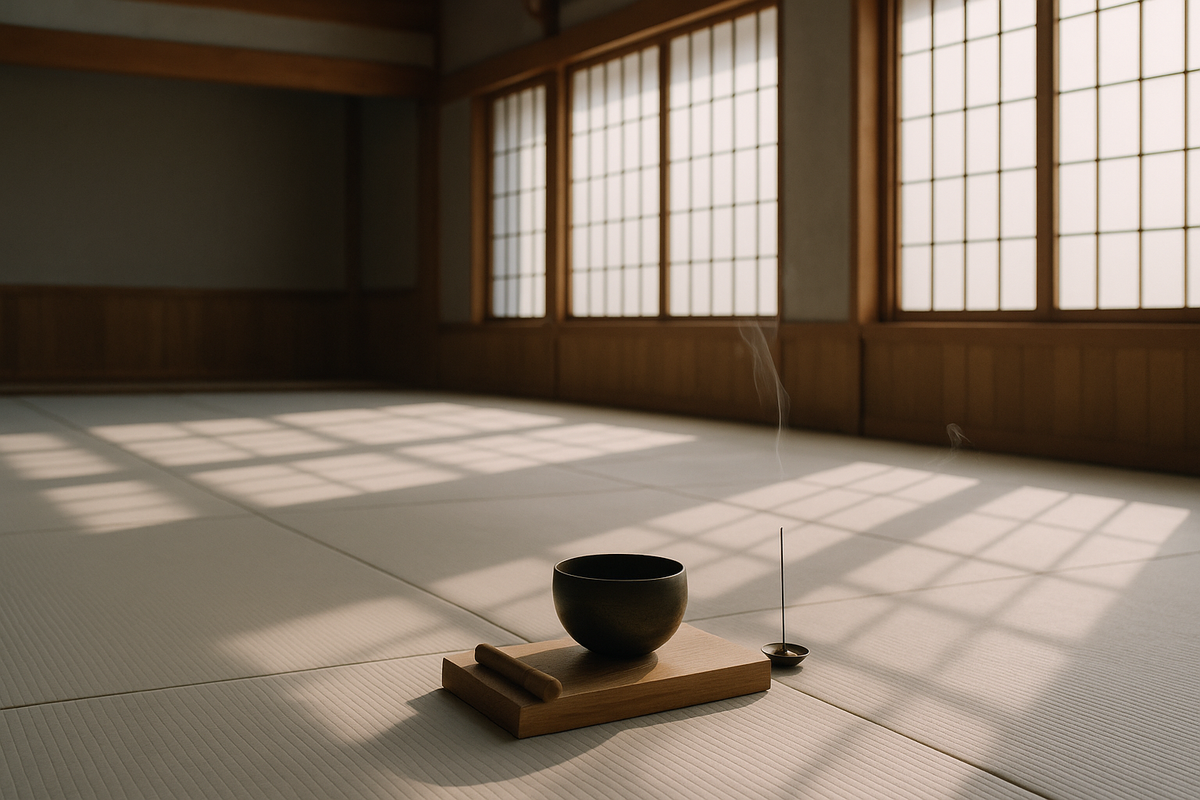
In traditional dojo settings, meiso and mokuso meditation sessions typically last around 5 minutes at the beginning and end of class, a duration sufficient to center the mind without extending class time prohibitively. This brief stillness is not decorative. Instructors report that these bookend practices create a psychological container: students arrive carrying the stress and distraction of their day, and the opening meditation functions as a deliberate mental reset before physical training begins.
Bowing and moments of silence during training are opportunities to feel centered by pausing to reconnect with intention, according to practitioners who have maintained these traditions. The practice teaches students to breathe through tension, find stillness in movement, and embrace discipline as an internal path rather than purely an external technical checklist.
Breathwork as Performance Tool and Nervous System Governor
In martial arts, breathwork is essential as the rhythm that guides the flow of movements, enabling practitioners to maintain pace, generate power, and increase efficiency. The mechanism is physiological: nasal breathing activates the parasympathetic nervous system and helps the body relax during training, which is hugely beneficial for entering a flow state and avoiding excessive muscular tension on the mat.
Modern research has validated centuries of martial arts practice. Controlled breathing directly affects the nervous system and brain function, with slow, deep breathing decreasing activity in the amygdala while increasing activity in the prefrontal cortex responsible for focus and decision-making. This is not mysticism; it is measurable neurological change that translates directly to performance under pressure.
Focusing on breath fosters deeper mind-body connection. Martial artists learn to synchronize movements with breath, enhancing coordination, power, and efficiency, which promotes a state of flow where movements become fluid and instinctive rather than deliberate and effortful.
Flow State Training: Three to Five Minutes to Access the Zone
The flow state, often described as being "in the zone," is a condition where practitioners are acutely aware of and engrossed in the present moment. People in the state of flow have disengaged their dorsolateral prefrontal cortex, the region where logic and critical thinking can turn into self-sabotage and hesitation. The prerequisites for entering flow include confidence, skill, and muscle memory, with the key being to train the body to know what to do without the mind's interference.
Instructors are learning that priming students for flow does not require lengthy preambles. Priming for flow state should take only 3 to 5 minutes, starting with mindfulness meditation during warmups. This is a practical timeline for busy commercial schools: a focused breathing exercise or brief seated meditation at the start of class can set the stage for higher-quality training without sacrificing mat time.
Relaxation is crucial for accessing flow. Techniques include breathwork and meditation to clear the mind and bring practitioners into the present moment. In traditions such as Kyokushin, practitioners often begin or end training sessions with a period of focused breathing to center their energy and focus their minds, a practice that promotes the mental clarity and emotional stability essential for effective performance in training and competition.
Mental Health Outcomes and the Retention Advantage
Research found that martial arts training had a significant positive effect on wellbeing, with recent studies highlighting psychological benefits of combat sports including reductions in anxiety and depression and improvements in self-efficacy, emotional regulation, resilience, and stress management. These are not incidental side effects; they are increasingly the primary reason health-conscious adults and parents seek martial arts training for themselves and their children.
Wellness integration, incorporating mindfulness and wellness practices into martial arts training, appeals to health-conscious individuals and is a notable industry trend as of 2026. Schools that clearly articulate and deliver on these mental health benefits are reporting improved retention and higher lifetime student value compared to programs that position themselves purely as fitness or self-defense services.
Practical Integration Models for Instructors
Instructors looking to reintroduce mindfulness without overhauling their curriculum can adopt several practical models. Common forms of meditation paired well with martial arts practices include movement meditation, mindfulness meditation, and visualization meditation. Movement meditation involves awareness of and feeling connected with the body during specific movements such as kata. Mindfulness meditation entails observation of the total body experience including thoughts, sensations, and feelings. Visualization meditation uses all five senses to create a realistic mental scene of a desired outcome.
Methods to integrate mindfulness include mindful warm-ups, starting sessions with slow and deliberate movements; conscious techniques, bringing awareness to breath and physical sensations while practicing kata or sparring; and post-training reflection. These can be layered into existing class structures without requiring separate time blocks.
Historically, meditation and related breathing exercises have been a part of Japanese martial art traditions since the days of the Samurai, warriors who dealt with life and death daily and embraced the meditation practices of Zen monks to calm mind and body. Aikido and tai chi embody mindfulness practices, compassion practices, and a spiritual path, and these practices have been used for decades with veterans and active military populations facing high-stress environments.
What This Means for Dojo Owners
Editorial analysis — not reported fact:
The return of ritual and breathwork to US dojos is not a rejection of modern sport-oriented training; it is an expansion of the value proposition. School owners in 2026 face a marketplace where fitness options are abundant and convenient, but opportunities for mental conditioning integrated with physical practice remain rare. The five-minute investment in opening and closing meditation, the deliberate cuing of breath during technique work, and the explicit teaching of flow state priming represent low-cost, high-impact differentiators that address the wellness motivations driving new student inquiries.
For retention, the evidence is compelling. Students who experience measurable improvements in stress management, emotional regulation, and mental clarity alongside physical skill development have stronger reasons to continue training through plateaus and life disruptions. The ritual framework also reinforces the identity shift from "I take a martial arts class" to "I am a martial artist," a psychological distinction that correlates with long-term commitment.
Practically, this means revisiting your class opening and closing sequences. If you have eliminated bowing, meditation, or moments of stillness in favor of maximizing mat time, consider whether that trade-off is actually serving retention. If you teach breathwork only in the context of cardio recovery rather than as a performance and mental regulation tool, you are leaving significant value on the table. And if you are not explicitly discussing flow states, visualization, and the mental benefits of training, you are missing an opportunity to connect with the motivations that brought many of your students through the door in the first place.
Sources & Further Reading
- Martial Arts and Their Connection to Religious Practices (Ground Standard) — overview of meditation traditions, flow state research, and mental health outcomes in martial arts training
- Opening and Closing Ceremonies (Rising Sun Dojo) — explanation of traditional karate class ritual structure and its purpose
- How Martial Arts Cultivate Mindfulness and Inner Peace (The Martial Arts Woman) — detailed treatment of breathwork, nervous system regulation, and mind-body synchronization in martial arts practice
- Martial Arts Superstitions and Traditions (Blitz Sport) — practitioner perspectives on bowing, ritual transitions, and the psychological function of dojo ceremonies
Editorial coverage of publicly reported industry developments. Dojo Practice has no commercial relationship with any companies named.