Special Populations & Adaptive Martial Arts in 2026
Youth, seniors, and adaptive programs are shifting from niche offerings to core dojo strategy. New certification standards and clinical research are redefining competitive baselines.
Key Takeaways
- Youth programs generate structural revenue advantages: Approximately 40% of martial arts participants are under 18, with parents spending $100-$300 per month per child on classes. Studios offering family plans see 25% higher retention than single-student memberships.
- Senior martial arts represents the fastest-growing underserved segment: About 15% of practitioners are over 50, drawn by mobility and cognitive benefits, yet few dojos have formalized senior-specific programming beyond ad-hoc class modifications.
- Adaptive martial arts infrastructure is standardizing in 2026: The Disabled Martial Artists Alliance now vets instructors through annual background checks and offers I-CAN Therapeutic Martial Arts certification, establishing the first nationwide credential for disability-focused instruction.
- Trauma-informed martial arts shows clinical promise but lacks standardized protocols: Pilot studies on PTSD treatment through martial arts show dramatic improvement in symptom scores, but no comprehensive, clinically validated instructional systems exist as of mid-2026.
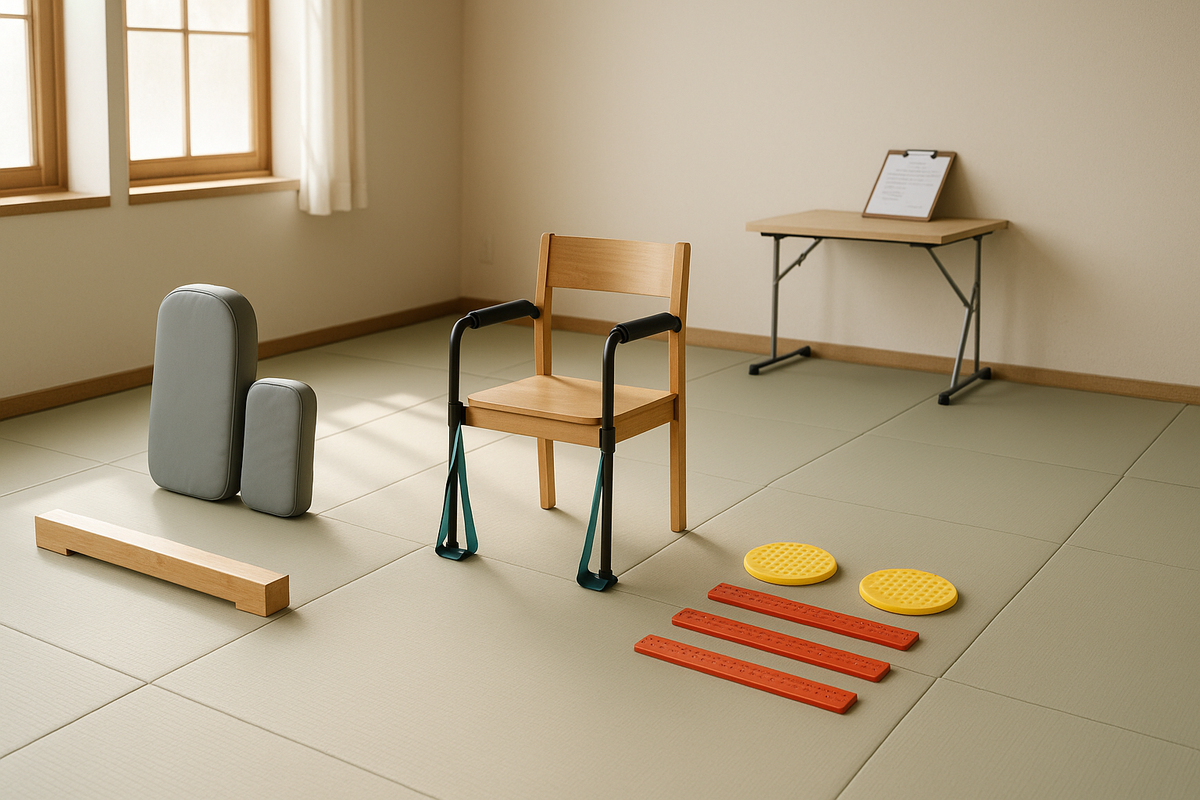
- The TREE pedagogical framework is becoming industry standard for adaptive instruction: Teaching style, Rules, Environment, and Equipment adaptations allow participation at varied ability levels using measurable, repeatable processes based on sports inclusion theory.
Why Special Populations Define Studio Economics in 2026
Over 72,000 martial arts studios operated in the U.S. as of 2025, representing roughly 7% growth from 2024. Yet this expansion is creating a competitive bifurcation. Studios building programs for youth, seniors, adaptive populations, and trauma survivors are capturing reliable revenue streams and demographic tailwinds. Those treating special populations as afterthoughts face structural disadvantages in retention, referrals, and monthly recurring revenue.
The shift from niche offerings to core business strategy accelerated sharply in 2026. The Disabled Martial Artists Alliance (formerly the Adaptive Martial Arts Association) now establishes instructor certification standards, vets schools through annual background checks, and promotes adaptive ranking pathways. This formalization signals that special populations programming is no longer optional differentiation but a baseline competitive expectation.
Youth Programs: Economic Backbone, Not Side Revenue
Approximately 40% of martial arts participants are under 18, translating to roughly four million children training across the U.S. This is not a demographic detail. It is a structural advantage. The decision-maker and the participant are different people. Parents pay. Children train. This separation fundamentally changes cancellation behavior.
Youth programs are evaluated on developmental outcomes like discipline, confidence, and focus, attributes harder to substitute and less sensitive to short-term motivation cycles than adult fitness goals. Parents spend $100-$300 per month per child on martial arts classes, and studios with family plans see 25% higher retention than single-student memberships. Youth enrollment delivers predictable monthly income, longer customer lifetime value, and built-in referral networks through school and community ties.
Seniors Over 50: Fastest-Growing Underserved Demographic
About 15% of martial arts practitioners are over age 50, reflecting surging interest among older adults drawn by mobility, balance, and cognitive benefits. Learning new movement patterns, memorizing forms, and developing strategic thinking create what neurologists call "cognitive reserve," essentially a buffer against age-related cognitive decline.
However, few dojos have formalized senior-specific programming. Many BJJ schools have developed "Senior BJJ" programs that eliminate high-impact takedowns, emphasize technique over competition, and focus on defensive aspects most relevant to older practitioners. Similarly, many dojos now offer "Senior Karate" programs specifically designed with reduced impact and technique emphasis. Despite documented benefits and demographic demand, senior programming remains largely improvised rather than standardized, leaving a white-space opportunity for studios willing to invest in curriculum development and instructor training.
Adaptive Martial Arts: National Certification Infrastructure Emerges
The Disabled Martial Artists Alliance (DMAA) is a 501(c)(3) nonprofit that now operates the only facility of its kind in the United States dedicated to therapy through martial arts for the disabled community. As of 2026, DMAA vets all instructors with annual background checks, confirms each school's accreditation in their martial art form, and verifies ability to provide adaptive private and group classes tailored to various disabilities.
DMAA offers I-CAN Therapeutic Martial Arts Certified Instructor credentials, the world's first online certification program for teaching martial arts to individuals with special needs and disabilities. This represents a watershed shift from ad-hoc accommodations to recognized professional standards. Certification creates liability protection, insurance advantages, and marketing differentiation for studios serving adaptive populations.
Pedagogically, the TREE approach (Teaching style, Rules, Environment, Equipment) is becoming industry standard. Using specific, measurable, and repeatable processes based on adaptation theory allows everyone to participate at their ability level. For children on the autism spectrum or those with ADHD, simplifying instructional language and incorporating visual cues throughout the gym to indicate area expectations help cue recall and reduce behavioral challenges.
Evidence of efficacy is growing. One recent study found that children on the autism spectrum exposed to a 13-week mixed martial arts program in an adaptive setting significantly improved social skills and decreased problematic behaviors. In 2026, Amanda's Adaptive Martial Arts became the first martial arts center to earn Certified Autism Center designation from the International Board of Credentialing and Continuing Education Standards (IBCCES), signaling that third-party credentialing is entering the space.
Trauma-Informed Martial Arts: Clinical Promise, No Standardized Protocols
Trauma-informed martial arts programs rooted in Brazilian jiu-jitsu, boxing, and MMA are gaining traction as PTSD treatment alternatives. Alison Willing, a USF Center of Aging and Brain Repair professor researching martial arts as PTSD treatment, noted that her studies showed dramatic results: "The PTSD scores on all of the valid scales were getting so much better to the point where you don't usually see with traditional PTSD therapies."
Real-world implementations exist. Georgia founded Conscious Combat Club, a trauma-informed kickboxing program for female-identified survivors offered online and in person. She hosts The Fight Back Podcast and offers online training for coaches wanting to create bespoke trauma-informed programs unique to their experience and martial art.
However, research remains nascent. As of yet, no comprehensive, well-developed studies have examined the utility of martial arts practice for the treatment of traumatic stress, and no clinically validated programs have attempted to develop a trauma-informed system of martial arts instruction. Open calls for research have been met by only a handful of pilot programs and small-sample studies. This represents both an opportunity and a liability risk: promising outcomes without standardized protocols or instructor training leave studios vulnerable to ethical and legal pitfalls.
What This Means for Dojo Owners
Editorial analysis — not reported fact:
The competitive landscape is bifurcating between studios that treat special populations as strategic anchors and those that ignore these demographics entirely. Youth programs provide the economic backbone many studios need to weather seasonal enrollment fluctuations and adult retention challenges. Senior programming taps the fastest-growing age cohort in the U.S. with minimal curriculum investment required. Adaptive martial arts and trauma-informed instruction offer differentiation in saturated markets, but only if paired with credible certification, insurance review, and clinical consultation.
Certification through organizations like DMAA is not purely about skill acquisition. It is liability mitigation, insurance qualification, and marketing credibility rolled into one. Studios serving adaptive populations or trauma survivors without formal training and documented protocols expose themselves to significant legal and reputational risk. Conversely, studios that invest in instructor certification, environmental modifications per the TREE framework, and partnerships with occupational therapists or trauma counselors can command premium pricing and secure referral pipelines from healthcare providers, schools, and advocacy organizations.
The infrastructure for special populations instruction matured significantly in 2026. The question is no longer whether to serve these demographics, but whether your studio will lead, follow, or be left behind as standardization raises the competitive floor.
Sources & Further Reading
- Disabled Martial Artists Alliance — Nonprofit offering I-CAN Therapeutic Martial Arts instructor certification, facility vetting, and adaptive ranking standards
- GymDesk Adaptive Martial Arts Overview — Market data on U.S. studio growth, youth and senior participation rates, family plan retention, TREE framework pedagogy, and research on autism spectrum outcomes
Editorial coverage of publicly reported industry developments. Dojo Practice has no commercial relationship with any companies named.