Tariff Shock & Smart Gear: 2026 Equipment Crisis for Dojos
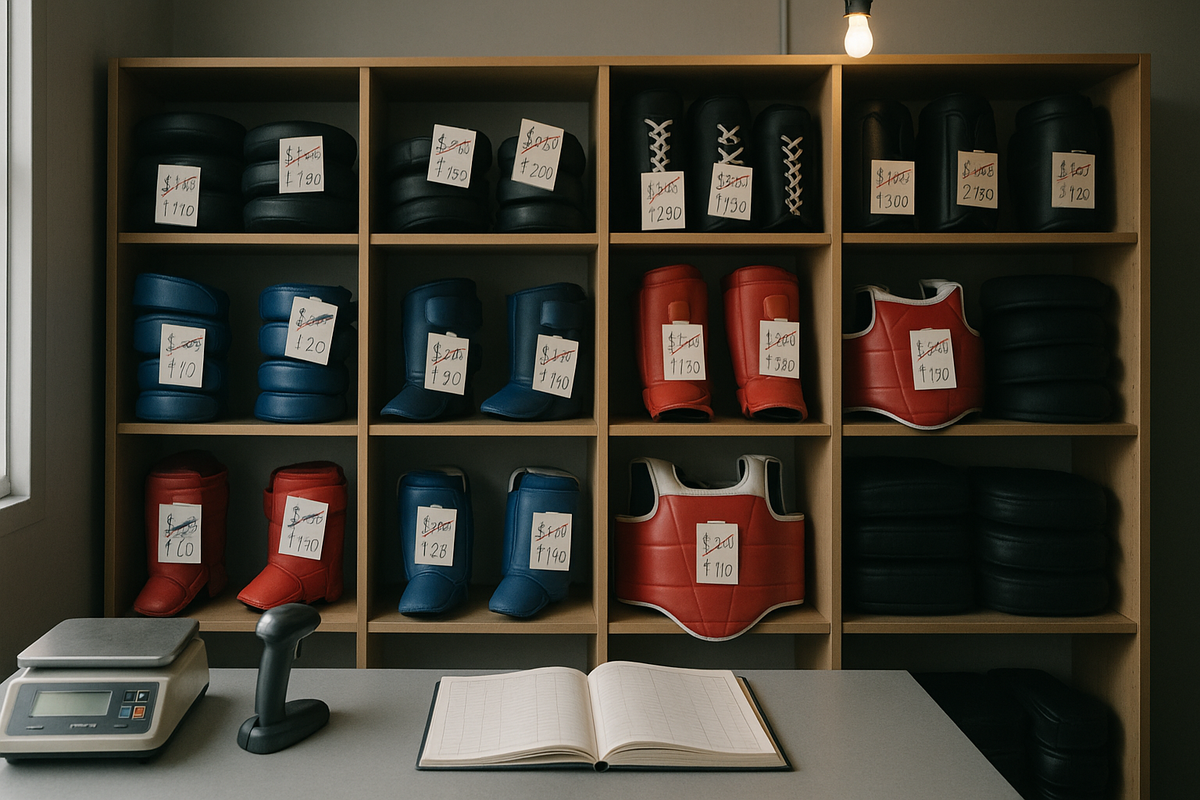
Tariff-driven cost increases of 15-30% and a 40% demand surge are forcing US dojos to reassess equipment budgets while smart wearables become the new standard.
Key Takeaways
- Tariff-driven cost increases of 15-30% are forcing US dojo owners to reassess equipment budgets in 2026, with essential martial arts equipment (mats, bags, protective gear) costing between $5,000 and $20,000 initially.
- Demand for gloves, pads, and protective gear has surged over 40% as of mid-2026, creating inventory pressures across major suppliers while the Mixed Martial Arts Equipment Market reaches $1.36 billion in value.
- Smart wearables have become the new performance standard, with the global wearable technology in sports market surpassing $84 billion in 2026 and athletes increasingly using sensor-based gloves and mouthguards to track punch velocity, impact, and fatigue.
- High-quality training mats now cost $2,000 to $10,000 depending on dojo size, while training equipment (punching bags, kicking shields, focus mitts) ranges from $3,000 to $10,000 for new facilities.
- Purchasing used equipment can reduce costs by 40-50% as dojo owners navigate supply-chain constraints, with once-plentiful items disappearing from dealer inventories and potentially never returning.
- BJJ gi prices remain stable at $70-$200 for beginners in 2026, with quality standards unchanged (pearl weave, 450-550 GSM, triple stitching) even as the overall gi market expands.
Why Mid-2026 Marks a Critical Equipment Purchasing Moment
US martial arts instructors and dojo owners face a defining challenge in June 2026: simultaneous tariff-driven cost increases and explosive demand growth. According to market research from Reanin, purchases of gloves, pads, and protective gear have grown by over 40%, reflecting rising interest among athletes and fitness seekers. At the same time, Eclipse Martial Arts Supplies reports that supply-chain issues have hit martial arts dealers hard since the pandemic, with costs increased significantly and backorders reaching the point where once-plentiful items have disappeared and might never return.
The Mixed Martial Arts Equipment Market was valued at USD 1,357.13 million in 2025 and is expected to increase to USD 1,834.53 million by 2032, growing at a CAGR of 4.4%. For US-based schools specifically, Verified Market Reports data shows the United States taekwondo equipment market was valued at USD 0.8 billion in 2024 and is projected to reach USD 1.2 billion by 2033, with a CAGR of approximately 4.9%.
Budget Reality: What Essential Equipment Actually Costs in 2026
For dojo owners planning new facilities or major expansions, Karate MMA reports that essential martial arts equipment such as mats, bags, and protective gear can cost between $5,000 and $20,000 initially. This breaks down into two major categories with distinct cost structures.
Training Mats: The Foundation Investment
High-quality mats are crucial for providing a safe and comfortable training surface. According to industry cost analyses, the expense ranges from $2,000 to $10,000 or more depending on the size of the dojo. This represents the single largest line item for most new schools and must meet safety standards for the specific disciplines offered.
Bags, Shields, and Training Tools
Training equipment including punching bags, kicking shields, focus mitts, and other specialized training tools can cost between $3,000 and $10,000 depending on the size and scope of the dojo. Per Carbondale Karate's equipment review, as a general rule, choose a heavy bag that's approximately half your body weight for optimal resistance and durability. Premium brands like Fairtex and Cleto Reyes craft cylindrical bags ranging from 4 to 6 feet in length with weights between 70-150 pounds, while Prolast heavy bags made in the USA come with a Lifetime Warranty.
Supply Chain Constraints and the Used Equipment Option
Suppliers report significant inventory pressures in mid-2026. Eclipse Martial Arts Supplies notes that vendors like Zengu and Macho, which primarily sell sparring equipment and uniforms, have seen their weapons inventories shrink considerably. This scarcity has forced dojo owners to consider alternative procurement strategies.
According to Karate MMA's analysis, purchasing used but high-quality mats, pads, and shields can reduce equipment costs by 40-50%. For schools operating on tight margins or planning expansions, this represents a viable path through the current supply constraints. RDX Sports wholesale data shows that organizations such as training academies and competition clubs increasingly focus on bulk procurement, safety compliance, and replacement cycles, with branded partnerships unlocking exclusive equipment deals.
Gi and Uniform Pricing: Stability Amid Market Growth
In contrast to hard equipment, gi pricing has remained relatively stable. Per Carbondale Karate's 2026 review, the market for BJJ gis is bigger than ever, but quality still rises to the top. A beginner BJJ gi typically costs between $70 and $200 in 2026, depending on the brand, durability, and competition quality.
Top BJJ gi features remain unchanged according to the same review: good fabric, smart weave, solid stitching, proper fit, and IBJJF-ready design. For instructors evaluating bulk uniform orders, look for pearl weave for the best mix of weight and strength, 450-550 GSM for all-around training, rubber core collars for faster drying and durability, and triple or quadruple stitching at all stress points. Brands like Hayabusa and Mizuno are known for quality, while Adidas, Century Martial Arts, and Venum offer options across price ranges.
Smart Wearables: From Novelty to Performance Standard
The most significant shift in martial arts equipment in 2026 is not cost or availability but technology integration. My MMA News reports that the global wearable technology in sports market surpassed $84 billion in 2026 and is expected to reach $186 billion by 2033. This represents a major shift in how athletes and coaches approach performance measurement.
Across boxing, MMA, and functional training, athletes now use smart gloves that track punch velocity and sensor-based combat mouthguards to measure impact, reaction time, and fatigue, according to the same report. For dojo owners, practical wearables include fitness trackers like Fitbit and Garmin that track steps, heart rate, and calories burned; smart clothing with sensors that monitor muscle activity, breathing patterns, and body temperature; and biometric sensors worn on the wrist or chest to monitor heart rate variability, stress levels, and overall physical readiness.
Sustainability and Customization Trends
Eclipse Martial Arts Supplies notes that brands are beginning to focus on using sustainable materials that minimize ecological footprints, with expectations to see more products made from recycled or biodegradable materials, as well as local sourcing to reduce carbon emissions related to transportation. RDX Sports adds that innovations such as eco-friendly materials and customizable gear are gaining popularity among modern practitioners.
What This Means for Dojo Owners
Editorial analysis — not reported fact:
The convergence of tariff pressures, demand surges, and technology adoption creates three distinct strategic windows for US dojo owners in mid-2026. First, schools planning facility expansions or equipment refreshes should accelerate purchasing decisions before further tariff increases take effect, even if it means securing credit lines or adjusting other capital expenditures. The 40-50% savings available through used equipment markets may represent a one-time arbitrage opportunity as supply normalizes.
Second, the smart wearable trend is no longer optional for competitive programs. Students training for tournaments increasingly expect data-driven feedback, and schools that can offer punch tracking, impact measurement, and biometric monitoring will have a meaningful recruitment advantage. Start small with heart rate monitors and fitness trackers before committing to specialized combat sensors, but budget 10-15% of annual equipment spend for wearable integration over the next two years.
Third, instructors should revisit vendor relationships and explore bulk procurement partnerships. The branded partnership model that unlocks exclusive deals works best for multi-location operators or informal buying cooperatives among independent schools in the same region. If your current suppliers have shrinking inventories, diversify now rather than waiting for backorders to disrupt your training calendar.
Sources & Further Reading
- Reanin Mixed Martial Arts Equipment Market Report — market valuation, growth projections, and demand trends for MMA equipment through 2032
- Verified Market Reports: US Taekwondo Equipment Market — US-specific market size, CAGR projections, and sector dynamics for taekwondo gear
- Karate MMA Equipment Cost Analysis — detailed breakdown of initial equipment costs for new dojos, including mats and training tools
- Carbondale Karate 2026 Equipment Reviews — pricing and specifications for BJJ gis, heavy bags, and training equipment brands
- Eclipse Martial Arts Supplies: Future Trends and Innovations — supply-chain challenges, inventory pressures, and sustainability trends in martial arts equipment
- RDX Sports Wholesale: MMA Equipment Market Trends — bulk procurement strategies, branded partnerships, and market innovations
- My MMA News: Combat Sports Trends 2026 — wearable technology adoption, market size projections, and smart gear applications for martial artists
Editorial coverage of publicly reported industry developments. Dojo Practice has no commercial relationship with any companies named.